Protective film has become an increasingly popular response to these challenges. Applied by professional installers to suitable vehicle surfaces, it creates an additional layer between the factory paint and the environment the vehicle operates in. This article covers what paint protection film actually does, which vehicles it suits, and the seven key benefits that explain why more Australian drivers are choosing it as part of their vehicle care approach.
What Is Paint Protection Film?
It is worth distinguishing paint protection film from two other common vehicle treatments:
- Vinyl wraps are primarily cosmetic — they change or update a vehicle's colour and finish. Paint protection film is clear and is specifically intended for protection rather than appearance change.
- Ceramic coatings are liquid polymer treatments applied to paint surfaces to improve water repellency and surface hardness. They do not provide the same level of physical impact resistance that film offers.
Why More Vehicle Owners Are Choosing Paint Protection Solutions
The cost of vehicle ownership has increased, and with it, the financial logic of protecting what you already have rather than accepting deterioration that affects resale value. A vehicle presented with well-maintained exterior paint consistently makes a stronger impression on potential buyers than an equivalent car with visible stone chip damage or faded clear coat.
There is also a broader shift in how drivers think about vehicle care. Regular washing and occasional detailing have always been standard, but preventive protection — addressing likely damage before it occurs rather than repairing it afterwards — has become a more considered part of how owners manage their vehicles. Paint protection film sits within that preventive approach.
Premium vehicle care has also become more accessible. Professional installation services are available across more metropolitan and suburban locations than in previous years, and awareness of what paint protection film can offer has grown alongside that availability.
Top 7 Benefits of Installing Paint Protection Film
Paint protection film absorbs these minor impacts, reducing the transfer of force to the paint surface beneath. While no film prevents all possible damage, it can meaningfully reduce the accumulation of stone chips and surface marks on high-impact areas over time.
2. Reduces Everyday Surface DamageStone chips represent one category of damage, but everyday surface degradation covers a broader range of hazards. Light scratches from car park encounters, minor abrasions from brushing against surfaces, dust and grit dragged across panels during washing, and general environmental contaminants all contribute to the gradual decline of exterior paint quality.
Protective film creates a physical barrier that intercepts much of this contact before it reaches the factory paint. The difference is most visible on vehicles with several years of use — a protected surface typically presents more cleanly than an unprotected equivalent at the same age.
3. Helps Preserve Your Vehicle's Original PaintOne of the most significant long-term advantages of protective film is what it does for the factory paint beneath it. 3M paint protection film is engineered to remain stable on the vehicle surface while reducing direct exposure of the underlying paint to the conditions it would otherwise face.
Factory paint is rarely replaceable in a meaningful sense. An aftermarket respray may restore appearance, but it changes the vehicle from original paint to repainted — a distinction that matters to discerning buyers and, in the case of prestige vehicles, to valuation. Maintaining factory paint in good condition across the full period of ownership is one of the clearest ways that protective film contributes to a vehicle's long-term standing.
4. Provides UV and Weather ResistanceAustralia's UV intensity sits among the highest in the world, and paint is particularly vulnerable to prolonged direct exposure. Over time, UV radiation breaks down the clear coat layer that gives modern automotive paint its depth and gloss, leading to fading, yellowing, and oxidation that is difficult to reverse once it progresses beyond surface level.
Protective film incorporates UV stabilisers that reduce the rate at which UV energy reaches the paint surface. This is most relevant for vehicles that spend extended periods parked in direct sunlight and in Sydney's climate specifically, where UV exposure is significant across most of the year.
5. Makes Vehicle Cleaning EasierA smooth film surface is inherently easier to clean than exposed automotive paint, which has a micro-texture that can allow contaminants to bond more readily. Bird droppings, bug splatter, water spots, and road film all release more readily from a film surface with appropriate cleaning, compared with the same contaminants on unprotected paint.
This practical benefit accumulates over time. Regular maintenance of a protected vehicle typically requires less effort and is less likely to result in accidental damage from cleaning attempts than the same process on a vehicle with bare paint that needs careful handling to avoid marking.
6. Supports Long-Term Vehicle ValueVehicle presentation affects how buyers assess a car, and exterior paint condition is one of the most immediately visible indicators of how a vehicle has been maintained. Paint that shows consistent stone chip damage, surface fading, or visible repairs raises questions in a buyer's mind that well-maintained original paint does not.
A vehicle with protected paint that has been maintained in good condition across its ownership period presents more confidently at resale or trade-in. The protective film itself is typically removed or has a transparent presence that does not detract from the vehicle's appearance — what it leaves behind is paint in better condition than it would otherwise be.
7. Maintains a Premium AppearancePremium paint protection film is optically clear when correctly installed, meaning the vehicle's colour, finish, and detail remain fully visible with no visible change in appearance. The goal of a professional installation is for the film to be undetectable in normal viewing conditions while still performing its protective function.
This matters for drivers who care about their vehicle's presentation on a daily basis. Protective film does not alter how a car looks — it simply makes that appearance easier to maintain and more resilient to the conditions of everyday use.
Which Areas of a Vehicle Benefit Most?
Front bumper — The lowest forward-facing surface, this panel receives the most stone chip exposure of any part of the vehicle.
Bonnet — The largest horizontal surface facing oncoming debris, and one of the most visible panels on the vehicle.
Front guards — Positioned immediately behind the front wheels, these panels are exposed to debris thrown by tyre rotation.
Side mirrors — Positioned prominently and often vulnerable to contact in tight parking situations.
Door edges — Door edge chips from opening in car parks are among the most common minor damage points on everyday vehicles.
Door cups — The small recessed areas around door handles receive repeated fingernail and ring contact that gradually damages unprotected paint.
Rear bumper loading area — Vulnerable to scratching from luggage, shopping, and general loading activity.
Full vehicle coverage is also available for owners who want comprehensive protection across all exterior surfaces, particularly on new or prestige vehicles.
Is Paint Protection Film Right for Every Vehicle?
New vehicles benefit the most from early installation. Applying film while the factory paint is in pristine condition means it is being preserved at its best, rather than applied over paint that has already accumulated some exposure and minor damage.
Luxury and performance vehicles represent clear candidates, given that factory paint condition carries significant weight in the value of these vehicles at resale.
Daily drivers and family cars used regularly in urban and highway environments accumulate stone chip and surface damage faster than low-use vehicles, making protection a practical consideration for owners who plan to keep these cars for several years.
SUVs often have large front panels with significant exposure, which makes targeted front-end coverage a straightforward decision for many owners in this category.
The honest answer is that not every owner will find the investment straightforward to justify, and that is worth acknowledging. The value of protective film is most apparent over time and is most clearly reflected in resale situations — for a driver who plans to change vehicles frequently or is unconcerned about the eventual resale presentation, the calculation looks different than for someone planning to own a vehicle for five or more years.
Professional Installation Makes a Difference
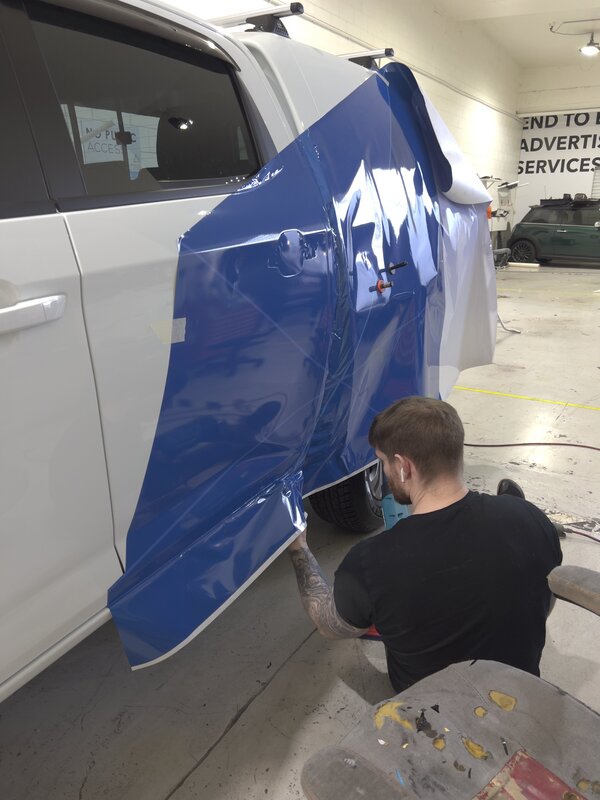
Surface preparation is the starting point. The vehicle must be thoroughly cleaned and decontaminated before film application, so that no particles are trapped between the film and the paint surface. Any existing surface contamination can affect adhesion and final appearance.
Precision cutting — whether by hand or using plotter templates for specific vehicle models — determines how cleanly the film fits each panel. Edge finishing, particularly around curved edges, handles, and panel borders, affects both appearance and how well the film resists lifting over time.
Experienced installers bring familiarity with the specific challenges of different vehicle types and panel shapes, and their work is typically supported by clearer workmanship guidance than is available from less experienced providers.
Frequently Asked Questions
Conclusion
Choosing quality materials and professional installation contributes significantly to how well these benefits are realised in practice. Film applied carefully to a well-prepared surface, and maintained correctly over time, performs considerably better than the same product applied without that foundation.
PROvinyl offers professional paint protection film installation services for a range of vehicles, using quality film products and applying the care and precision that this type of work requires. If you are considering paint protection for your vehicle, an assessment and detailed conversation with an experienced installer is a practical starting point.


RSS Feed